
Evidence for DVO Application Australia: Complete Guide

Family Law
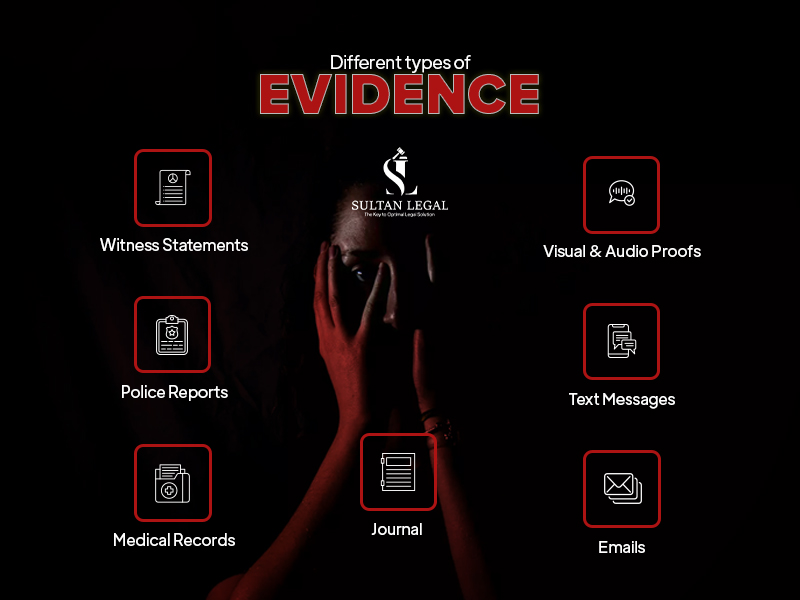
Types of evidence for DVO application Australia witness statements police reports medical records photos text messages journal
Evidence for DVO Application Australia: Complete Guide 2025
Quick Answer: To successfully apply for a Domestic Violence Order (DVO) or Apprehended Violence Order (AVO) in Australia, you need strong evidence proving the respondent engaged in domestic violence and that the order is necessary for your protection. Essential evidence includes medical records documenting injuries, witness statements from friends or professionals, police reports of incidents, photographs or videos of injuries or abuse, text messages or emails showing threats, and a detailed journal documenting dates, times, and locations of abuse. Under the Family Law Act 1975, domestic violence victims receive special protected witness status in criminal trials to reduce emotional distress.

The person applying for a Domestic Violence Order (DVO) or Apprehended Violence Order (AVO), or applying to vary an existing order, must present compelling evidence to prove that the order is justified. The evidence should highlight that the accused or respondent has engaged in domestic violence toward the applicant and that the DVO is necessary and suitable for their protection.

Moreover, to decrease the emotional distress experienced by victims, the Family Law Act 1975 and Domestic Violence Crime and Victims Act 2004 (NSW) grant the status of special or protected witnesses to domestic violence sufferers in criminal trials. This provides crucial protections during court proceedings.

At Sultan Legal, our experienced AVO lawyers in Parramatta help clients gather, organize, and present evidence for successful DVO and AVO applications across New South Wales.

Is Evidence Necessary for a DVO Application?

Yes, evidence is absolutely essential for a successful DVO application in Australia. One of the key legal requirements to apply for a domestic violence order is to back up your allegations with credible evidence. Without proper evidence, courts may dismiss your application, leaving you without legal protection.

The court needs to be satisfied that:
  • The respondent has committed acts of domestic violence against you
  • You have reasonable grounds to fear for your safety
  • A protection order is necessary to prevent future violence
  • The specific conditions requested are appropriate and justified
Important: The burden of proof lies with the applicant. You must demonstrate to the court that domestic violence has occurred and that you require legal protection. Strong, well-documented evidence significantly increases the likelihood of obtaining a DVO.
Types of evidence for DVO application Australia witness statements police reports medical records photos text messages journal
Essential Evidence Types for Successful DVO Applications in Australia

Evidence for Physical Abuse in DVO Applications

When someone experiencing physical violence wants to apply for a DVO, they are required to show any of the following evidence for DVO application in Australia:

Photographs of Injuries

Pictures showing bruises, marks, cuts, burns, or other physical injuries caused by violence are powerful evidence. When taking photos:

  • Take photos immediately after the incident while injuries are visible
  • Include date and time stamps if possible (most smartphones automatically record this metadata)
  • Photograph from multiple angles to show the full extent of injuries
  • Include a reference object (like a ruler or coin) to show scale
  • Take follow-up photos as bruises develop and heal to show progression
  • Photograph damaged property (broken doors, walls, furniture, personal items)

Medical Documentation

  • Hospital records - Emergency department visits, admission records, treatment notes
  • Doctor's reports - GP consultations, injury assessments, medical certificates
  • X-rays and scans - Evidence of fractures, internal injuries
  • Prescription records - Medications prescribed for injuries or trauma
  • Psychological evaluations - Assessments of mental health impact from abuse
Critical Advice: When seeking medical treatment, tell healthcare providers honestly about how injuries occurred. Medical professionals can document that injuries are consistent with domestic violence, which strengthens your evidence. Many doctors are trained to recognize domestic violence patterns.

Witness Statements for Physical Abuse

Accounts from friends, neighbors, medical professionals, or relatives who:

  • Witnessed the physical abuse directly
  • Saw your injuries shortly after incidents occurred
  • Heard violent altercations (screaming, banging, sounds of violence)
  • Were told about the abuse soon after it happened
  • Observed changes in your behavior or appearance after incidents

Evidence for Financial Abuse in DVO Applications

Financial abuse is a form of domestic violence where one partner controls the other's access to economic resources. To demonstrate financial control for evidence for DVO application in Australia, you may need to provide evidence that:

  • There is limited or no access to personal bank accounts or income
  • Earnings are required to be deposited into an account not under your control
  • There are restrictions preventing you from accessing or withdrawing funds from joint accounts
  • You were coerced into signing an enduring power of attorney granting someone else control over your finances
  • You must ask permission or justify all purchases
  • Your partner monitors all spending and questions every transaction
  • You're prevented from working or your employment is sabotaged
  • Your partner takes your income, benefits, or government payments

Key Evidence for Financial Abuse

  • Bank statements showing lack of access to funds or unauthorized withdrawals
  • Employment records documenting interference with your work or forced resignation
  • Financial documents showing coerced signatures or unauthorized use of your credit
  • Text messages or emails demonstrating financial control or demands
  • Witness statements from friends or family who observed financial restrictions

Important note: If you are able to access and withdraw funds from a joint account freely, then simply having the joint account does not indicate financial control. The key is demonstrating restrictions, coercion, or control over your financial independence.

Evidence for Emotional and Psychological Abuse in DVO Applications

Emotional abuse can occur in different forms and is often the most difficult type of domestic violence to prove because it leaves no physical marks. However, courts recognize emotional abuse as serious domestic violence under Australian law.

Forms of Emotional Abuse

  • Verbal insults - Being called names, subjected to body shaming, or constant criticism
  • Isolation - Being kept away from family and friends or prevented from practicing your cultural identity
  • Gaslighting - Making you doubt your own perceptions, memories, or experiences
  • Threats - Threatening to harm themselves, you, your loved ones, or pets
  • Manipulation - Being controlled or manipulated through emotional tactics, guilt, or intimidation
  • Humiliation - Public embarrassment or degradation
  • Stalking - Monitoring your location, communications, or activities obsessively

How to Gather Evidence of Emotional Abuse

1. Keep a Detailed Journal

Document all instances of emotional abuse with:

  • Dates and times of each incident
  • Specific quotes - Write down exactly what was said
  • Context - What triggered the incident, where it happened
  • Emotional impact - How the abuse made you feel (scared, humiliated, anxious)
  • Physical symptoms - Sleep disturbances, panic attacks, loss of appetite
  • Witnesses - Anyone who was present or who you told shortly after

2. Obtain Professional Assessments

Consider consulting with mental health professionals for evaluation reports:

  • Psychologist or psychiatrist - Formal assessments of psychological harm, PTSD, anxiety, depression
  • Therapist or counselor - Treatment notes documenting the impact of abuse
  • General practitioner - Medical records showing stress-related symptoms or mental health referrals

3. Collect Digital Evidence

  • Text messages showing threats, insults, or controlling behavior
  • Emails documenting emotional abuse or manipulation
  • Social media posts that are threatening or humiliating
  • Voice recordings of verbal abuse (check NSW recording laws - you can record conversations you're part of)
  • Screenshots of monitoring apps or tracking software installed on your devices

4. Obtain Witness Statements

Use sworn affidavits from friends, family, or colleagues who have:

  • Witnessed instances of emotional abuse
  • Observed changes in your mental health or behavior
  • Been told about the abuse by you shortly after incidents
  • Witnessed isolation tactics or controlling behavior

📋 Need Help Gathering Evidence for Your DVO?

Our experienced criminal and family lawyers guide you through evidence collection and DVO application processes. We ensure your application is comprehensive and legally sound.

Book Free DVO Consultation

Or call: (02) 8029 0269

Types of Evidence Accepted in DVO Applications

1. Witness Statements

Witnesses can provide important statements as evidence to support your claims against the abuser. They can recount their own observations of abusive behavior and its effects on you. The credibility of witnesses is important to strengthen your case.

Credible witnesses may include:

  • Close connections - Friends, family members, or neighbors who witnessed abuse or its effects
  • Professionals - Police officials, psychologists, psychiatrists, physicians, social workers, counselors
  • Colleagues or employers - People who observed changes in behavior or saw evidence of abuse at work
  • Teachers or childcare workers - If children were affected by witnessing violence

Witness statements should be detailed, specific, and include dates, times, and descriptions of what they observed or were told. Sworn affidavits carry more weight than informal statements.

2. Police Reports

Police reports can be valuable evidence for DVO application in Australia, especially if NSW Police have been called to the scene multiple times. These reports document incidents, injuries, and witness statements.

Police evidence includes:

  • Police reports - Official records of domestic violence incidents reported to police
  • Criminal records - Evidence of the perpetrator's history of domestic violence-related offenses or AVO breaches
  • Police body camera footage - Video evidence from police attending incidents
  • Police notes - Officer observations of injuries, property damage, or your emotional state
  • 000 call recordings - Emergency calls made during violent incidents
Why Police Reports Matter: Multiple police reports demonstrate a pattern of abusive behavior. Courts give significant weight to police documentation because it's created by neutral third parties and recorded at the time of incidents. Even if no charges were laid, police reports still provide valuable evidence.

3. Medical Records

Medical evidence serves multiple critical purposes in DVO applications:

  • Document physical injuries sustained due to violence
  • Confirm claims of abuse with objective medical assessments
  • Provide evidence of emotional and psychological impact through mental health diagnoses
  • Establish patterns of abuse through repeated medical consultations for injuries

Medical evidence can be obtained from:

  • General practitioners (GPs)
  • Hospital emergency departments
  • Psychiatrists and psychologists
  • Counselors and therapists
  • Specialist doctors (if specific injuries require specialist treatment)

4. Visual and Audio Evidence

Visual proof of abuse, like pictures of injuries, videos of violence, or voice recordings of the abuser, can be very helpful in backing up a DVO request. These offer solid evidence of the physical harm or threatening behavior caused by the abuser.

Acceptable visual and audio evidence:

  • Photographs - Injuries, damaged property, threatening messages
  • Videos - Violent incidents, threatening behavior, property destruction
  • Audio recordings - Verbal abuse, threats, admissions (in NSW, you can record conversations you're part of without the other person's consent)
  • CCTV or security footage - From home security systems, neighbors' cameras, or public spaces
  • Screenshots - Social media posts, messages, emails
Legal Recording Rules in NSW: Under NSW law, you can legally record a conversation you're part of without the other person's knowledge or consent. However, you cannot record private conversations between other people without their consent (that would be illegal surveillance). Always consult with a lawyer about the admissibility of recordings in your specific case.

5. Digital Communication Evidence

Other forms of evidence that can be used to support your DVO request include:

  • Text messages - Threats, abusive language, controlling demands, stalking behavior
  • Emails - Threatening or harassing emails, evidence of manipulation or control
  • Social media posts - Public or private messages showing threatening or abusive behavior
  • Messaging apps - WhatsApp, Facebook Messenger, Snapchat, Instagram DMs
  • Phone call logs - Evidence of excessive calling or harassment
How to Preserve Digital Evidence: Take screenshots of all threatening or abusive messages immediately. Include timestamps and sender information. Back up evidence to cloud storage or send to a trusted friend. Don't delete the original messages. If possible, avoid blocking the abuser until you've collected sufficient evidence, as blocking may prevent you from capturing further threatening communications.

6. Personal Journal or Diary

A detailed journal documenting specific dates, times, and locations of abuse is powerful evidence, especially for emotional abuse or establishing patterns of behavior.

Your journal should include:

  • Date and time of each incident
  • Location where the abuse occurred
  • Detailed description of what happened
  • Exact quotes if possible
  • Your emotional response (fear, anxiety, humiliation)
  • Physical symptoms (panic attacks, sleeplessness)
  • Witnesses present
  • Any actions taken (calling police, seeking medical help, telling friends)

Keep your journal in a safe place where the abuser cannot find it. Consider keeping a digital backup in secure cloud storage.

Step-by-Step Guide: What to Do If You Need a DVO

If you want to seek legal help and apply for a DVO, follow these essential steps:

Step 1: Seek Legal Advice

Contact experienced criminal lawyers or family lawyers who specialize in domestic violence matters. They will help you:

  • Understand the DVO/AVO application process
  • Assess the strength of your evidence
  • Explore available options for protection
  • Determine the appropriate type of order to apply for
  • Prepare your court documentation

At Sultan Legal, we offer confidential consultations to assess your situation and provide clear guidance on the best path forward.

Step 2: Collect All Relevant Evidence

Gather and organize all evidence systematically:

  • Medical records and doctor's reports documenting injuries
  • Witness statements from friends, family, or professionals
  • Audio and video proof of abuse or threats
  • Photographs of injuries or damaged property
  • Personal journal documenting incidents
  • Text messages, emails, and social media evidence
  • Police reports and criminal records
  • Financial documents (if financial abuse occurred)

Organize evidence chronologically to show patterns of escalating violence. Create copies of everything and store originals safely.

Step 3: Report to Police (If You Haven't Already)

Consider reporting the abuse to law enforcement. They can:

  • Advise you on your rights and protection order options
  • Create official police reports documenting incidents
  • Apply for a Police AVO on your behalf
  • Charge the offender with criminal offenses if appropriate
  • Provide immediate protection and safety advice

You can report to police even if incidents occurred in the past. Historical reports still create valuable evidence.

Step 4: Apply for the DVO/AVO

Your lawyer can help you complete and file your application with the NSW Local Court. The application will include:

  • Statement of grounds (detailed description of violence and fear)
  • Specific conditions you're requesting
  • Supporting evidence and documentation
  • Details about the respondent

Step 5: Attend Court Hearing

You'll need to attend a court hearing where the magistrate will consider your application. Having legal representation significantly increases your chances of success. Your lawyer will:

  • Present your evidence effectively
  • Question witnesses if necessary
  • Cross-examine the respondent
  • Argue for appropriate protective conditions

⚖️ Expert DVO Application Support

Don't navigate the DVO process alone. Our experienced lawyers ensure your evidence is comprehensive, properly presented, and maximizes your chances of obtaining protection.

Book Your Free Consultation

Confidential legal support: (02) 8029 0269

Important Considerations Before Applying for a DVO

Critical Advice: Before you apply for a DVO, consult a criminal or family lawyer to understand the legal requirements effectively. The application process varies depending on your location and specific circumstances. Professional legal advice ensures you understand your rights, the evidence needed, and the potential outcomes.

Special or Protected Witness Status

Under the Family Law Act 1975, domestic violence victims receive special protected witness status in criminal trials. This helps reduce emotional distress by providing:

  • Testifying via video link - Give evidence remotely without being in the same room as the abuser
  • Support person present - Have a trusted person with you while testifying
  • Screens in court - Physical barriers so you don't have to see the accused
  • Closed court - Public excluded from proceedings in sensitive cases
  • Special questioning procedures - Limitations on aggressive cross-examination

What If the Abuser Has No Criminal History?

Even if there's no history of violence in police records, other forms of evidence can still substantiate your claim for a DVO. Courts understand that domestic violence often goes unreported. Your application can succeed based on:

  • Medical reports documenting injuries
  • Personal testimony and detailed account of abuse
  • Witness statements from friends or family
  • Documented communications (texts, emails)
  • Professional assessments from psychologists or counselors
  • Your personal journal documenting abuse

Lack of criminal history does not prevent you from obtaining a DVO if you can demonstrate domestic violence has occurred.

Frequently Asked Questions About DVO Evidence

How can police reports help in a DVO case?

Police reports are valuable evidence because they document domestic violence incidents, injuries, property damage, and witness accounts at the time events occurred. They're created by neutral third parties (police officers) and carry significant weight with courts. Multiple police reports demonstrate a pattern of abusive behavior over time. Even if no criminal charges were laid, police reports still provide strong supporting evidence for your DVO application. Courts recognize that police documentation is objective and contemporaneous, making it highly credible evidence.

What should I do if I'm experiencing financial or emotional abuse?

For financial abuse, gather evidence showing restricted access to bank accounts, control over your income, or coercion regarding financial decisions. Document all instances where you're prevented from working or accessing money. For emotional abuse, keep a detailed journal of incidents including dates, times, specific quotes, and emotional impact. Consult with psychologists or counselors for professional evaluations documenting psychological harm. Obtain witness statements from people who've observed the abuse or its effects. Save all threatening or controlling messages. Seek legal advice immediately to explore protection order options and ensure your evidence is properly documented.

What steps should I take if I want to apply for a DVO?

First, seek legal advice from experienced criminal or family lawyers to understand the process and requirements. Second, systematically collect all relevant evidence including medical records, witness statements, photos, text messages, police reports, and your personal journal. Third, report the abuse to police if you haven't already — they can create official reports and may apply for a Police AVO on your behalf. Fourth, work with your lawyer to complete the DVO application form accurately. Finally, attend the court hearing where your lawyer will present your evidence and argue for appropriate protective conditions. Professional legal representation significantly increases your chances of success.

How does the status of 'special or protected witnesses' affect domestic violence victims in court?

This status significantly reduces emotional distress for domestic violence victims during criminal trials by providing crucial protections. Protected witnesses can testify via video link without being in the same room as their abuser, have a support person present while giving evidence, use screens to avoid seeing the accused, request closed court proceedings excluding the public, and benefit from special questioning procedures limiting aggressive cross-examination. These protections acknowledge the trauma and intimidation victims experience and help ensure they can provide testimony without additional psychological harm. Your lawyer can request these protections when you're required to testify.

What if the abuser has no history of violence in police records?

Lack of police records doesn't prevent you from obtaining a DVO. Courts understand domestic violence is often unreported. You can still substantiate your claim with medical reports documenting injuries, personal testimony describing the abuse in detail, witness statements from friends or family who observed the violence or its effects, text messages or emails showing threats or controlling behavior, psychological evaluations documenting emotional harm, and your detailed personal journal. Many successful DVO applications involve first-time reporting where no prior police history exists. The strength of your current evidence matters more than historical criminal records.

Can I record conversations with my abuser as evidence in NSW?

Yes, in NSW you can legally record conversations you're part of without the other person's knowledge or consent. This means you can record threatening phone calls, abusive arguments, or verbal admissions. However, you cannot record private conversations between other people without their consent — that constitutes illegal surveillance. Audio recordings showing threats, admissions of violence, or abusive language provide powerful evidence for DVO applications. Save original recordings securely and make backup copies. Consult your lawyer about the admissibility of recordings in your specific case, as technical or authenticity issues may affect whether recordings are accepted as evidence.

How detailed should my journal of abuse be?

Your journal should be extremely detailed to provide credible, compelling evidence. Include the exact date and time of each incident, specific location where abuse occurred, detailed description of what happened (who said/did what), exact quotes if possible, your emotional response (fear, anxiety, humiliation), physical symptoms experienced (panic attacks, sleeplessness), witnesses present, and any actions you took (called police, sought medical help, told friends). Write entries as soon as possible after incidents while details are fresh. Courts value contemporaneous records. Keep your journal safe where the abuser cannot find it. Consider digital backups in secure cloud storage.

Do I need a lawyer to apply for a DVO or can I do it myself?

While you can technically apply for a DVO yourself, having legal representation significantly increases your chances of success. Lawyers ensure your application is complete, properly documented, and strategically presented. They help you gather the right evidence, complete court forms correctly, understand legal requirements, present your case effectively at hearings, and cross-examine the respondent. Without legal expertise, you may miss crucial evidence, make procedural errors, or fail to articulate why the DVO is necessary. At Sultan Legal, we offer free initial consultations to assess your case and explain how we can help. Legal representation is particularly important if the respondent has their own lawyer.

🛡️ Get Expert Help with Your DVO Evidence and Application

Gathering and presenting evidence for a DVO application is complex and requires strategic legal expertise. Our experienced Parramatta lawyers specialize in domestic violence protection orders and have helped hundreds of clients obtain the legal protection they need. We guide you through evidence collection, ensure your documentation is comprehensive and properly formatted, represent you at court hearings, and maximize your chances of obtaining a strong, enforceable protection order. Don't face this process alone. Your safety and legal protection are our priority.

📅 Book Free DVO Evidence Consultation

Confidential legal support: (02) 8029 0269

Legal Disclaimer: Information provided is general in nature and should not be relied upon as legal advice. DVO applications require assessment of individual circumstances and proper legal guidance. Evidence requirements vary depending on the type of abuse and specific case facts. Professional consultation is essential to ensure your application meets all legal requirements. All legal services are provided in accordance with Australian legal practice requirements and professional conduct rules.

🡒 Related criminal and family law services:

Share :